The Story Behind “Mường Food”
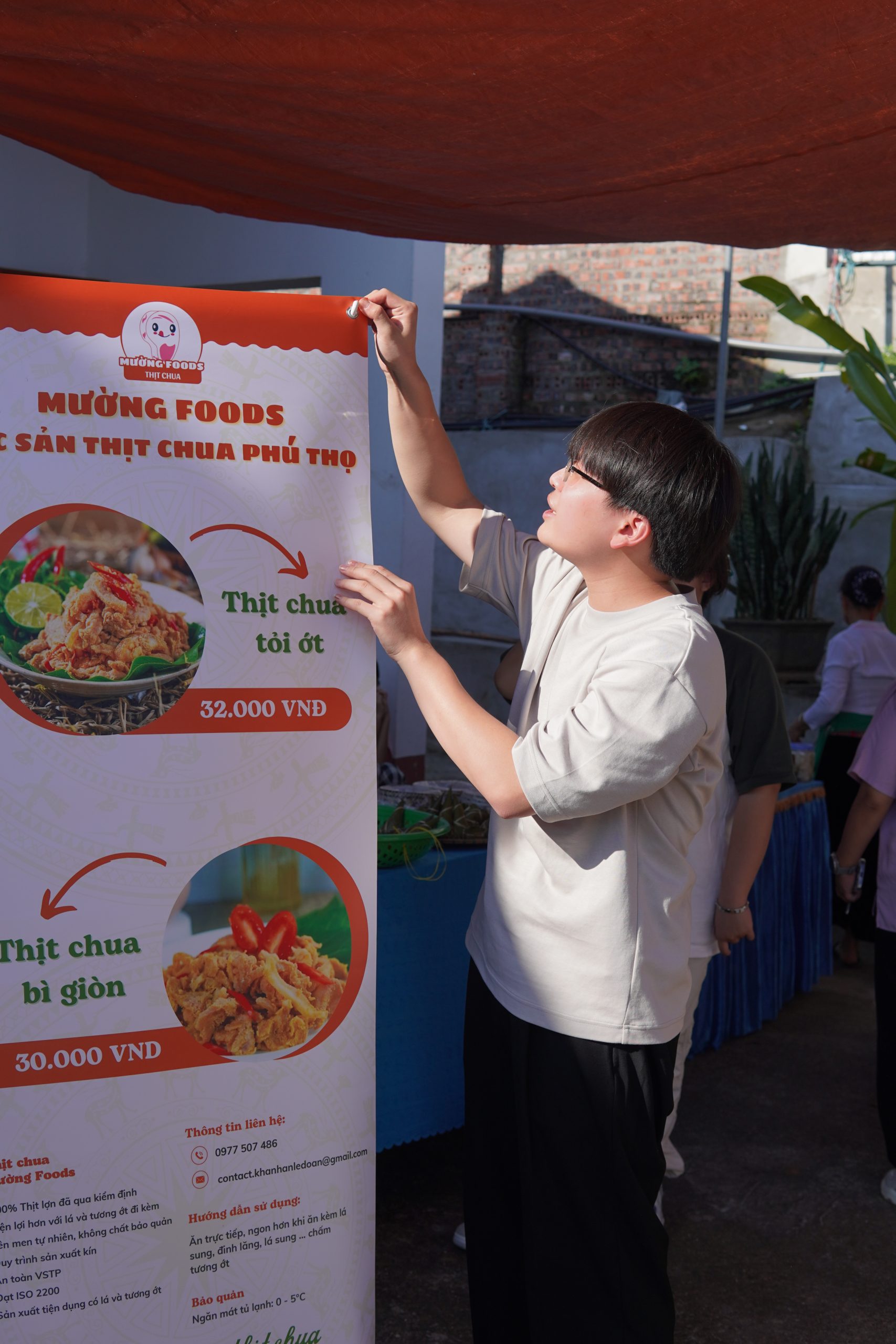
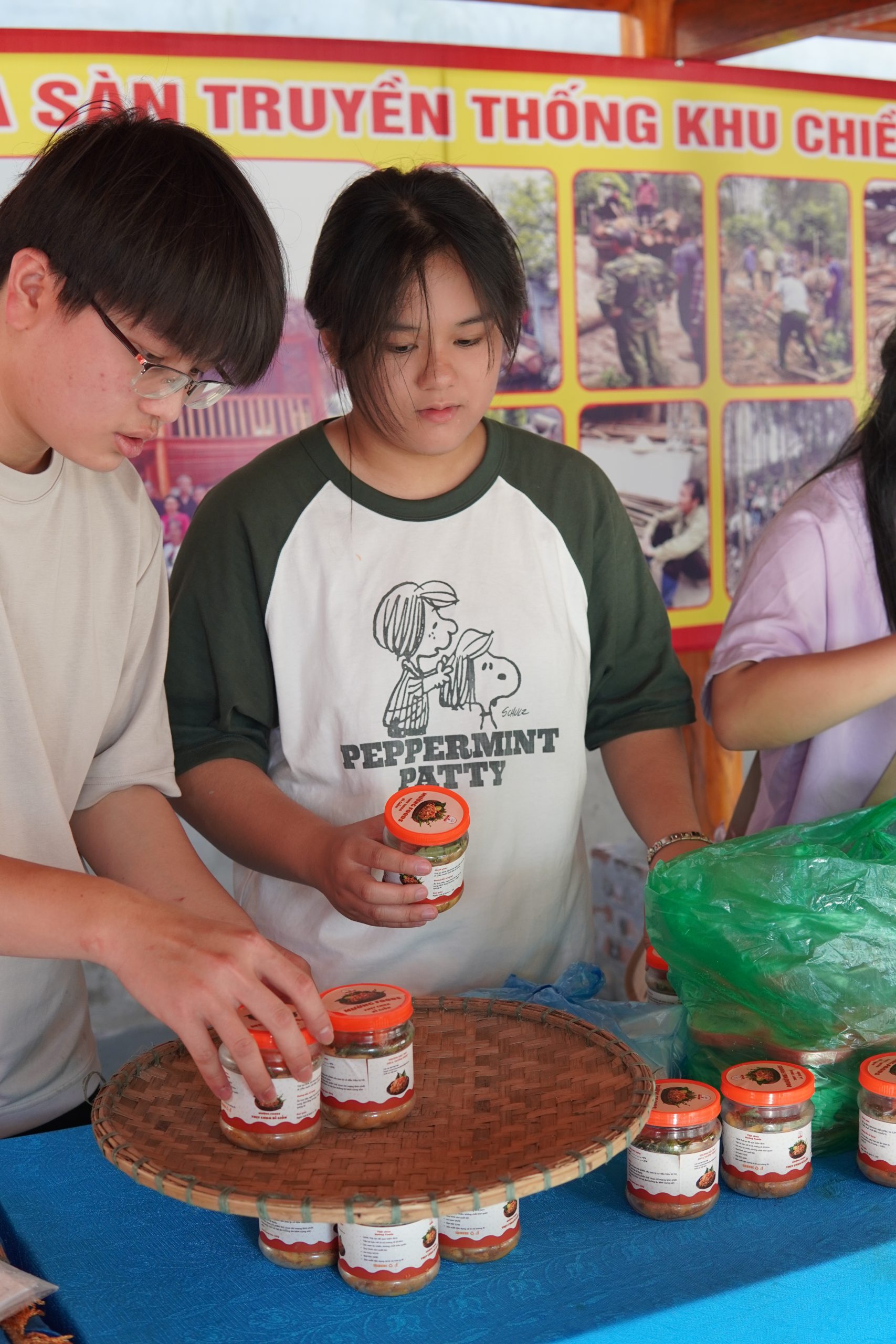
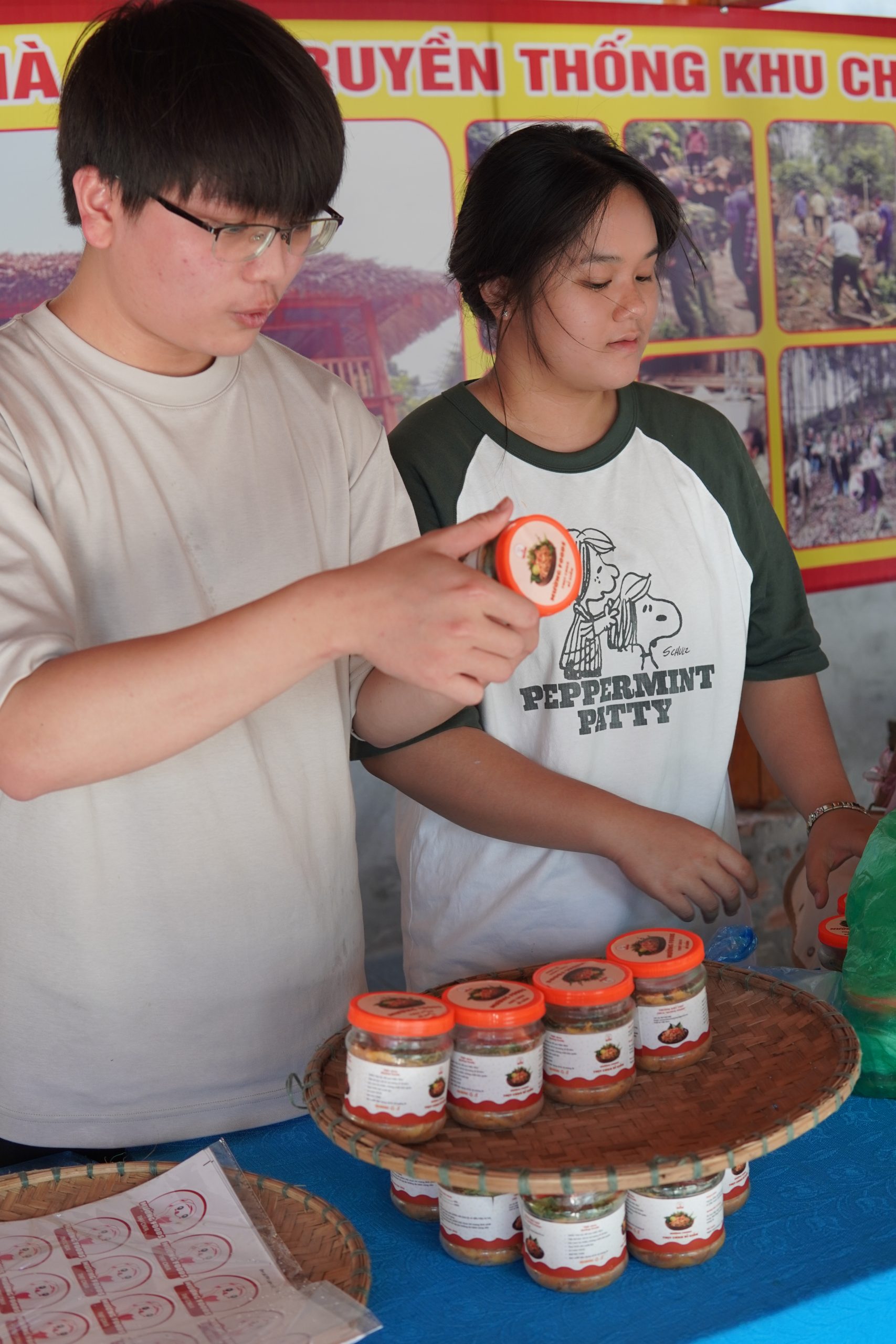
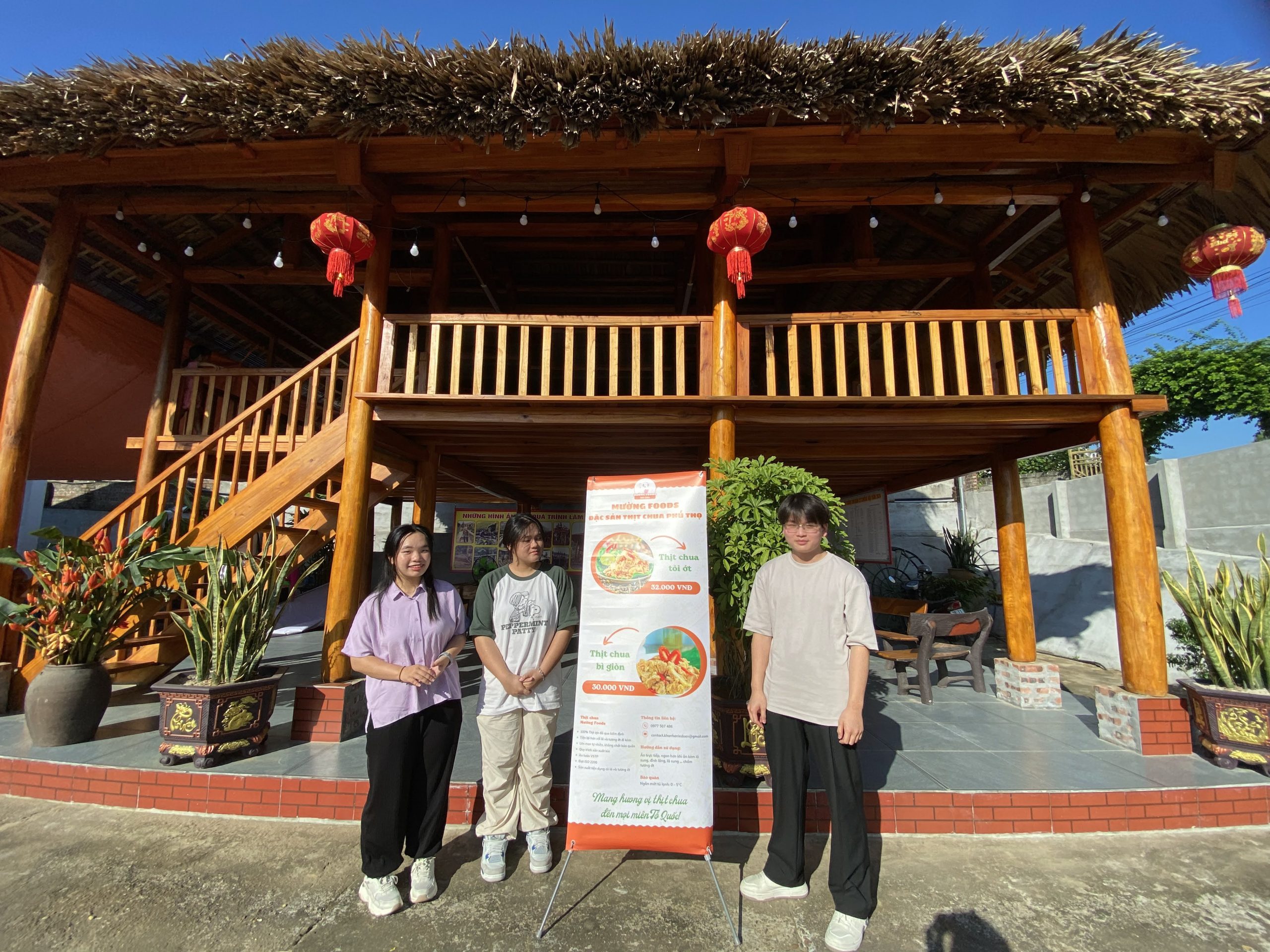
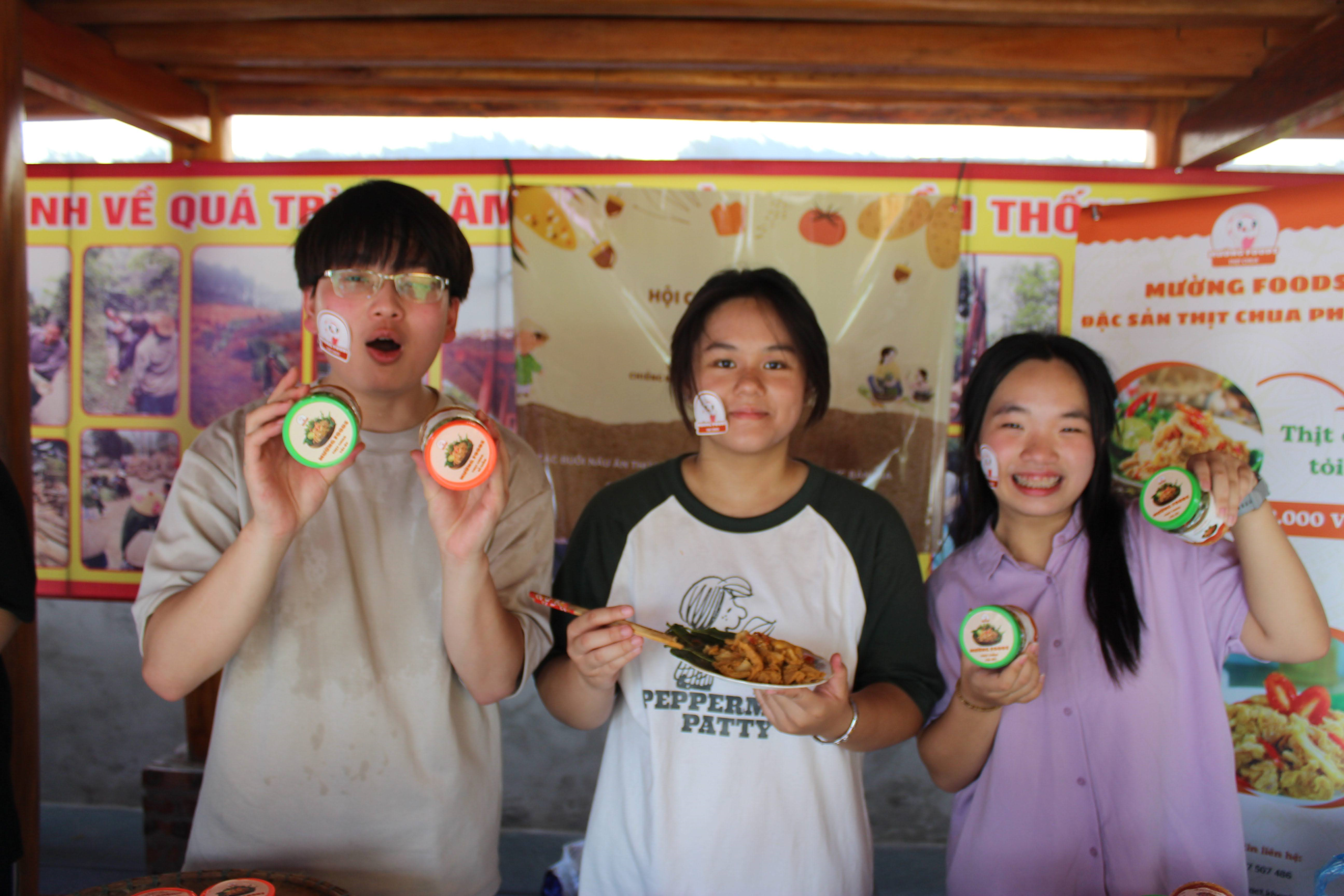
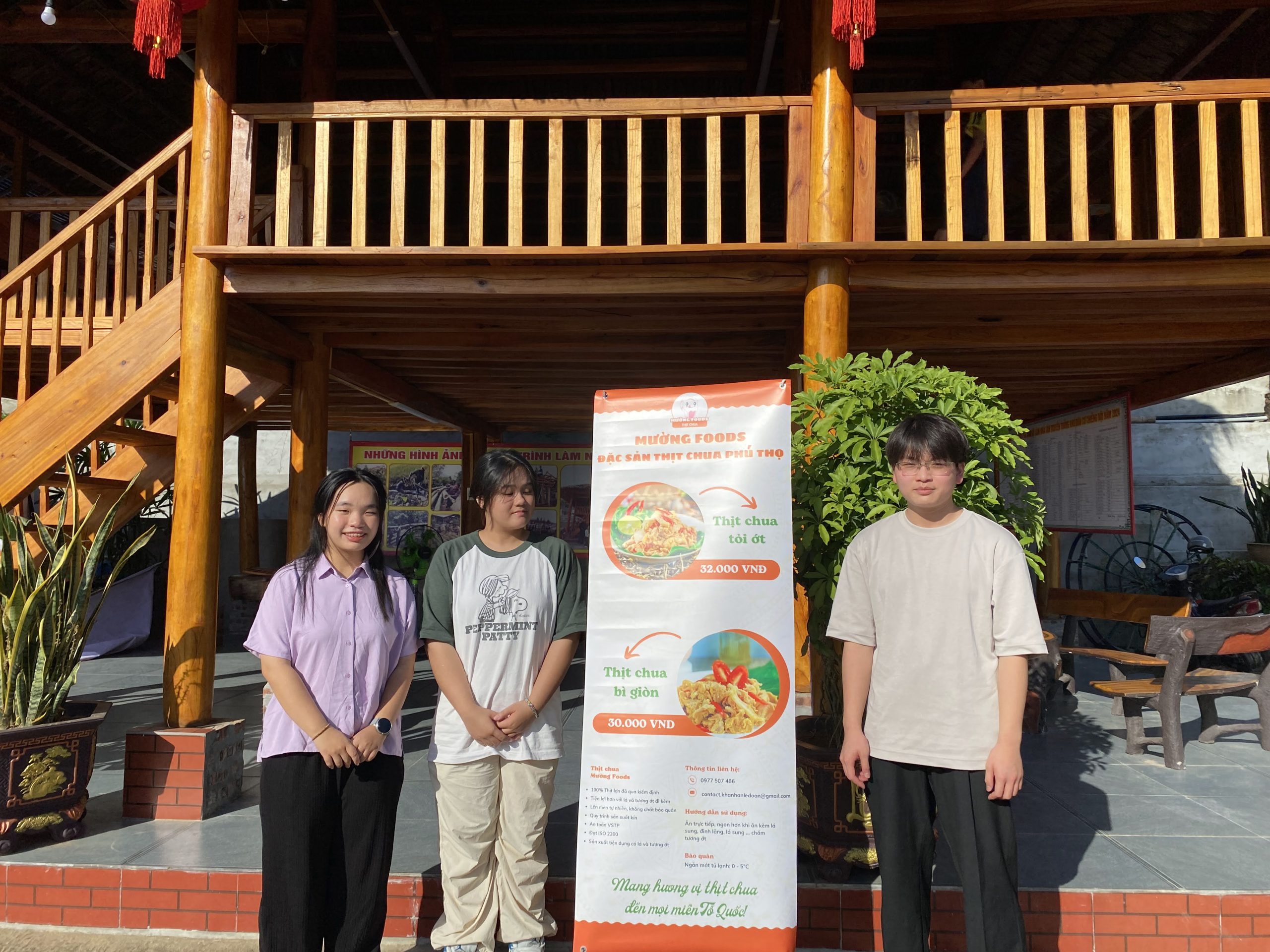
Growing up in Phú Thọ, I often heard the Mường people called “keepers of taste,” yet I never truly understood what that meant. I grew up between two worlds: the traditional world where all the costumes echoed through wood smoke, and the one of my textbooks filled with business terms and branding case studies. When I began studying entrepreneurship, I wanted to “modernize” our traditions, to prove that culture could also compete in the market. That ambition led me to create Mường Food, a student-led social enterprise reintroducing thịt chua, a traditional Mường fermented pork dish, to younger consumers.
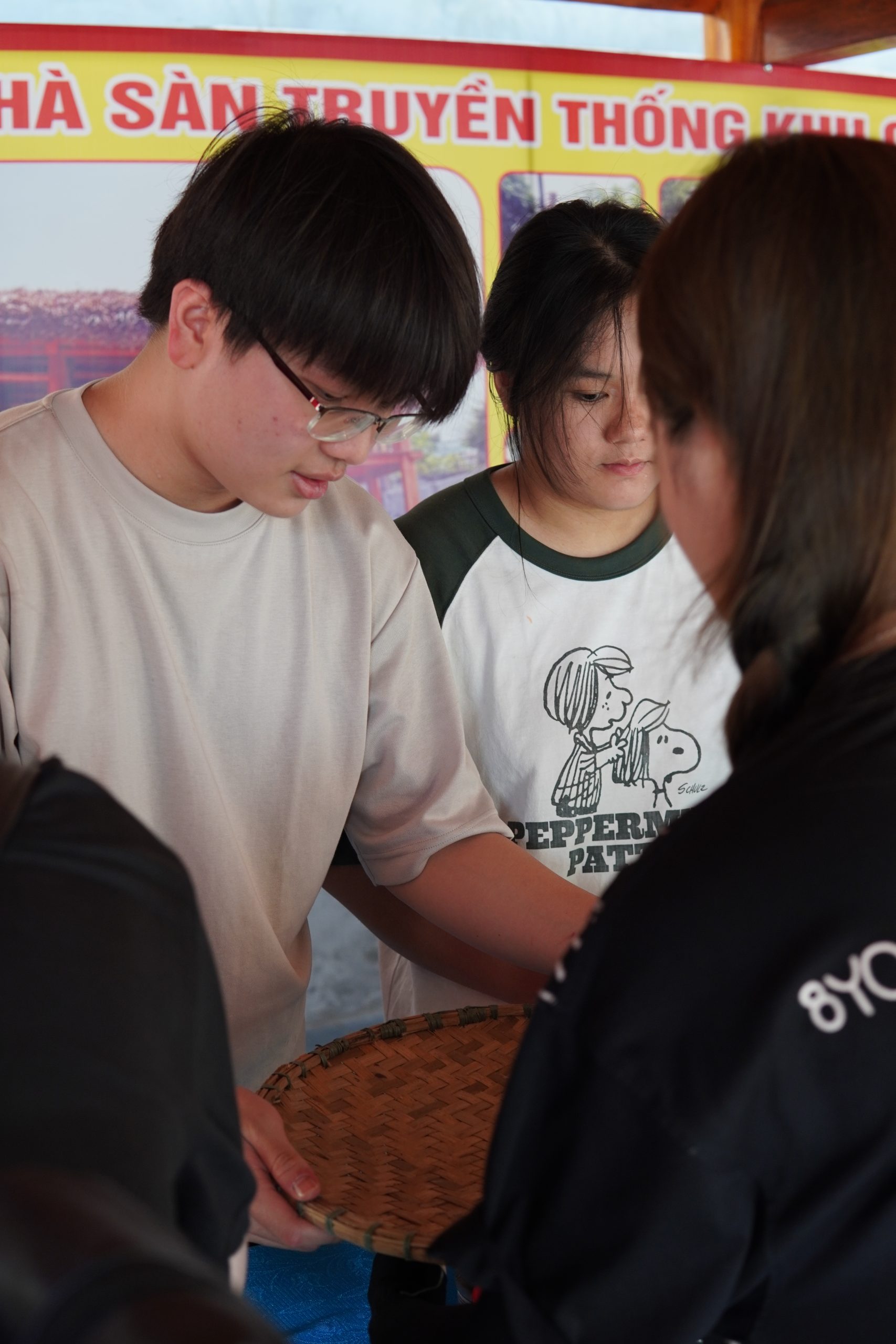
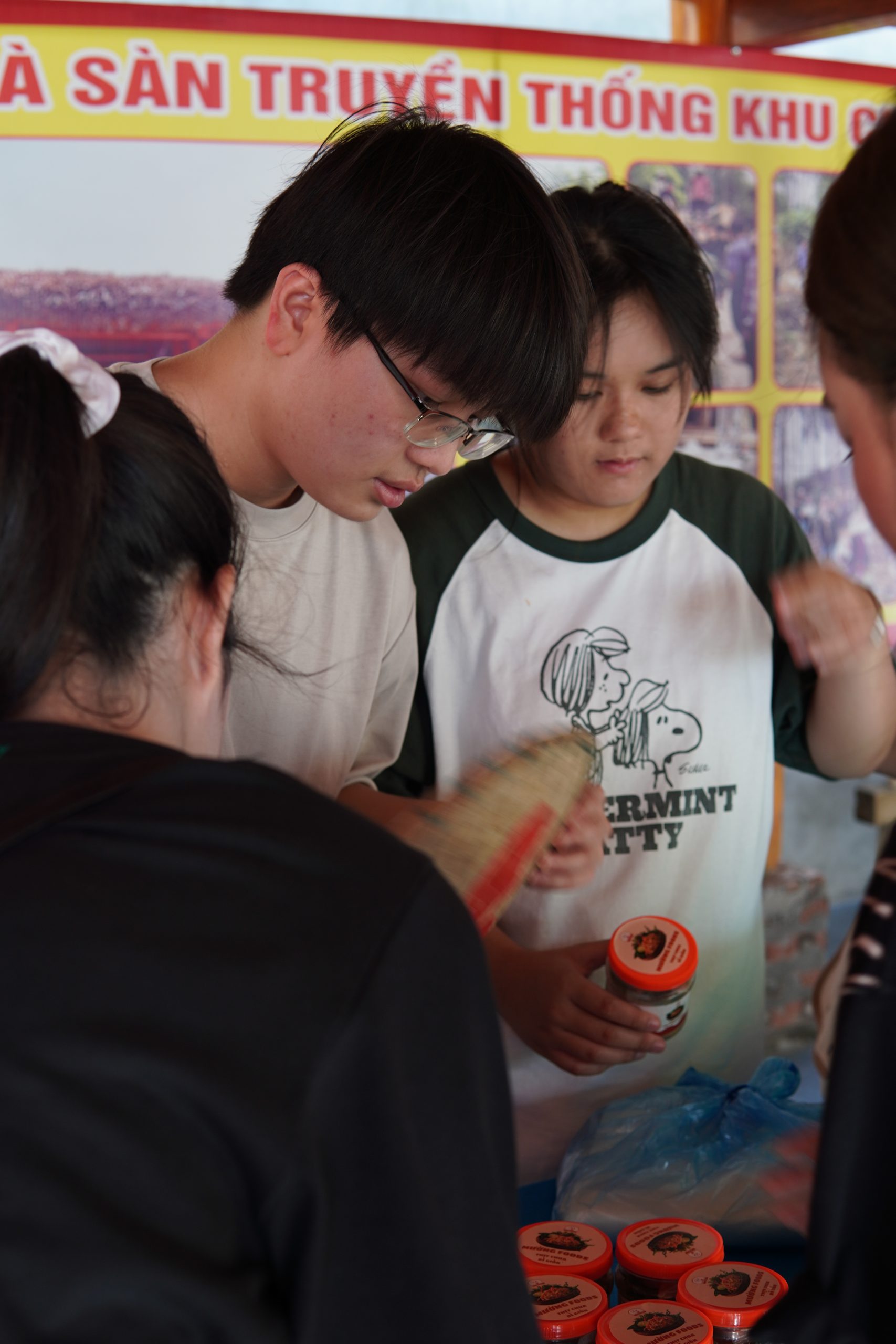
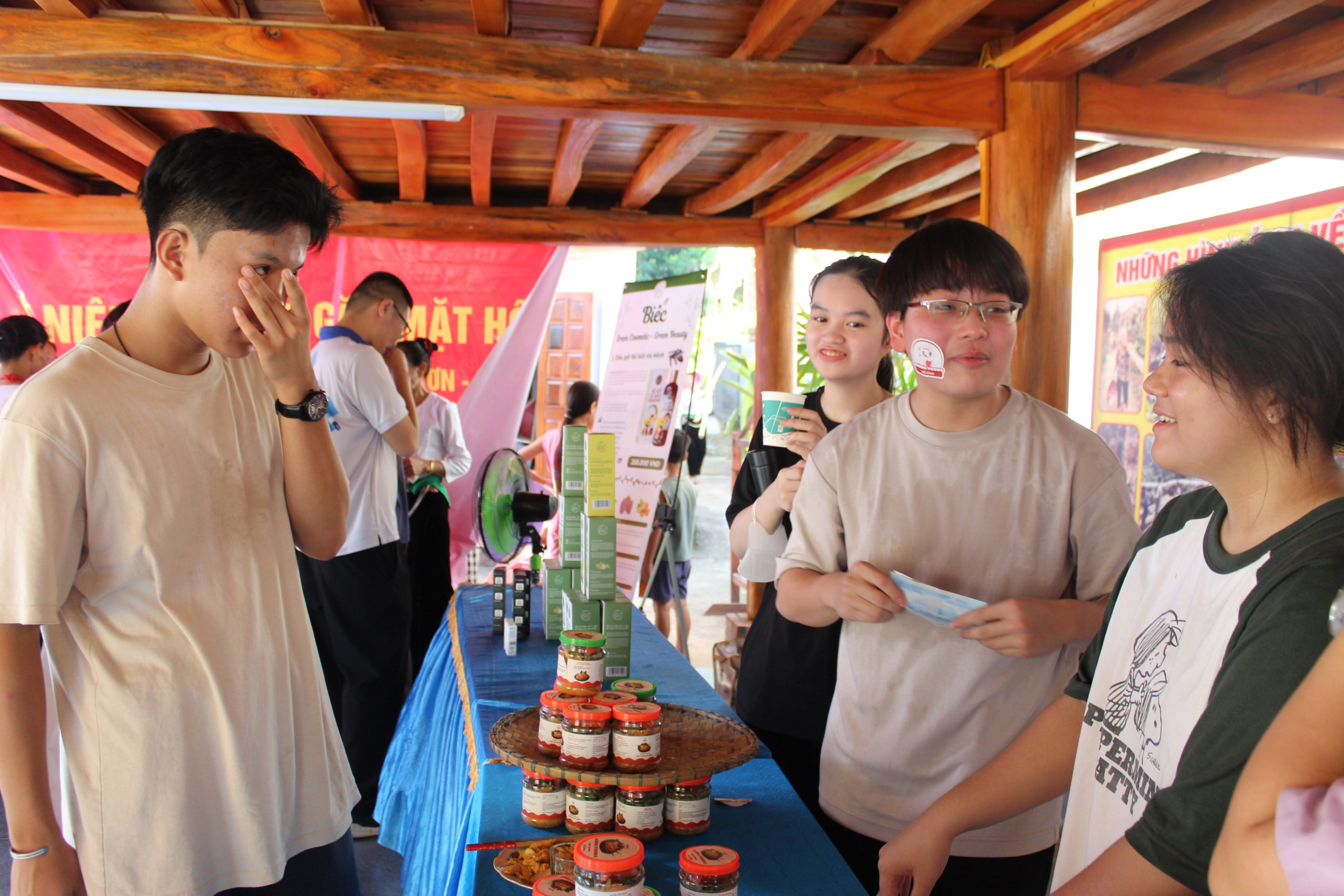
At first, I thought success meant sleek packaging, clean labels, and catchy campaigns. But at our very first market, an elder asked, “Have you ever tasted real thịt chua?” His words silenced me more than any failure. I realized that the jars I had worked so hard to perfect looked polished but hollow. People bought the flavor, not the story. And I didn’t yet know the story myself.
I went to Pà Sùng village, the birthplace of thịt chua, to learn what I had missed. My goal was to “study production,” but what I found was a lesson in humility. I stayed with families who still ferment the meat in bamboo tubes wrapped in forest leaves. I learned to grind chẩm chéo with my hands until my palms burned, to wait days for the right smell to emerge, and to listen to the silence between their laughter, where memory hides. What I once called a “business process” became a ritual of patience and gratitude.
As I learned, I began to see how easy it is for modern projects like mine to unintentionally erase what they aim to preserve. Authenticity isn’t an aesthetic; it’s a relationship, one that requires time, listening, and respect. When I returned, I redesigned everything: our sourcing came directly from Mường families; our profits were divided to both fund a library for 200 rural students and reinvest into improving local production quality. Our campaigns no longer advertised “tradition,” they invited people to meet it.
Through Mường Food, I also confronted my own contradictions. For years, I tried to “perform” belonging, adopting trends, chasing what looked impressive. But through the rhythm of pestle and fire, I began to understand a different kind of leadership: one that starts not with speaking, but with listening.
In 2024, we reached over
Later, my research on “Sustainable Business Models in Fermented Pork Production” deepened that transformation. I collected
Today, when people ask me what Mường Food “sells,” I answer differently. We don’t just sell thịt chua; we share a story, one that’s still fermenting, still teaching me patience, humility, and truth. College, I believe, will be my next fermentation jar: a place where diverse ideas, like diverse ingredients, are left to deepen together, slowly, honestly, and without shortcuts
Skills
Receiving Feedback
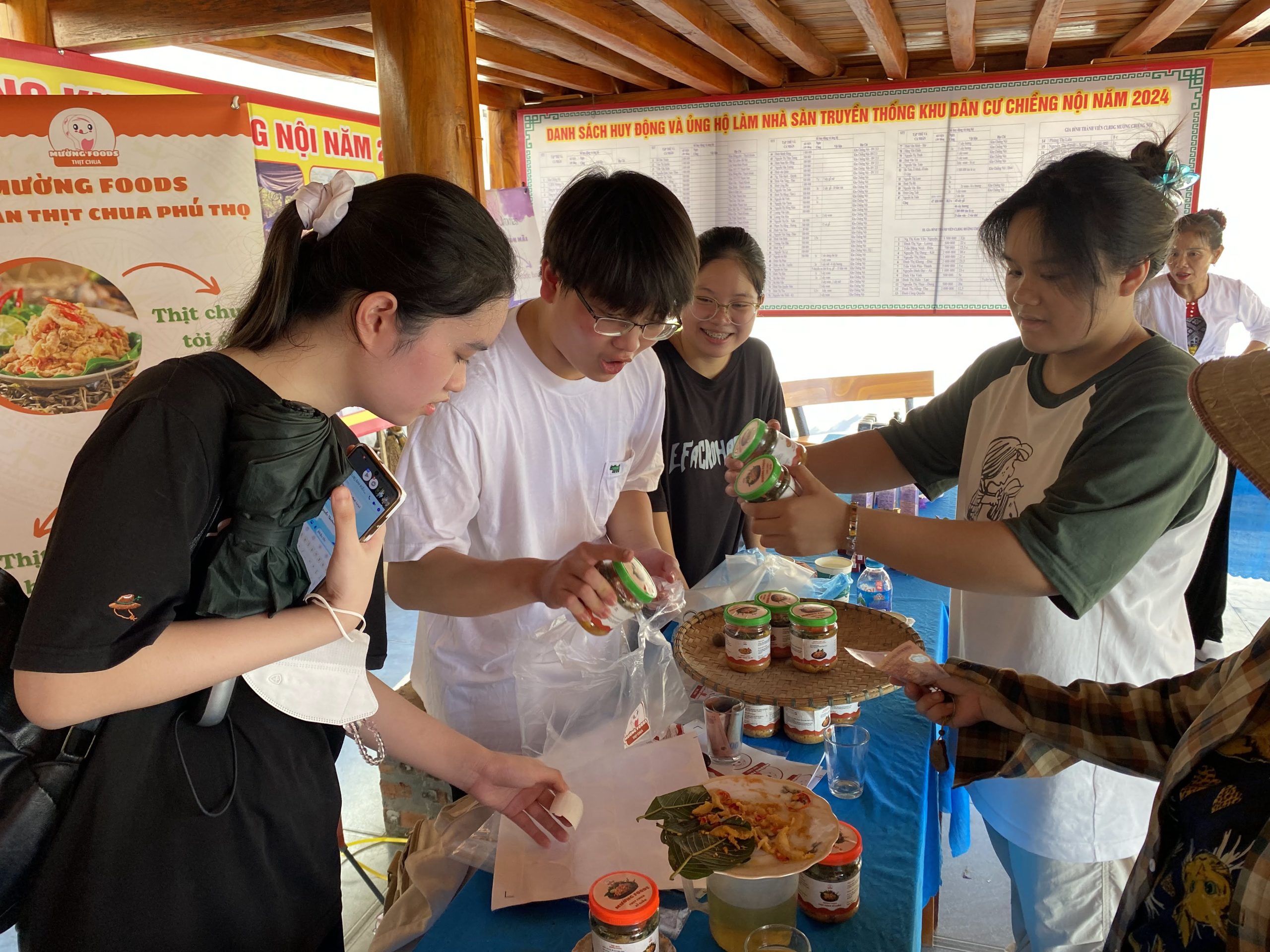
Running Mường Food taught me that entrepreneurship is a constant dialogue with mentors, teammates, and customers. From adjusting packaging after feedback from local artisans to rethinking our marketing tone after elders’ comments, I learned that listening deeply often leads to stronger, more authentic outcomes than defending my first ideas.
Resilience
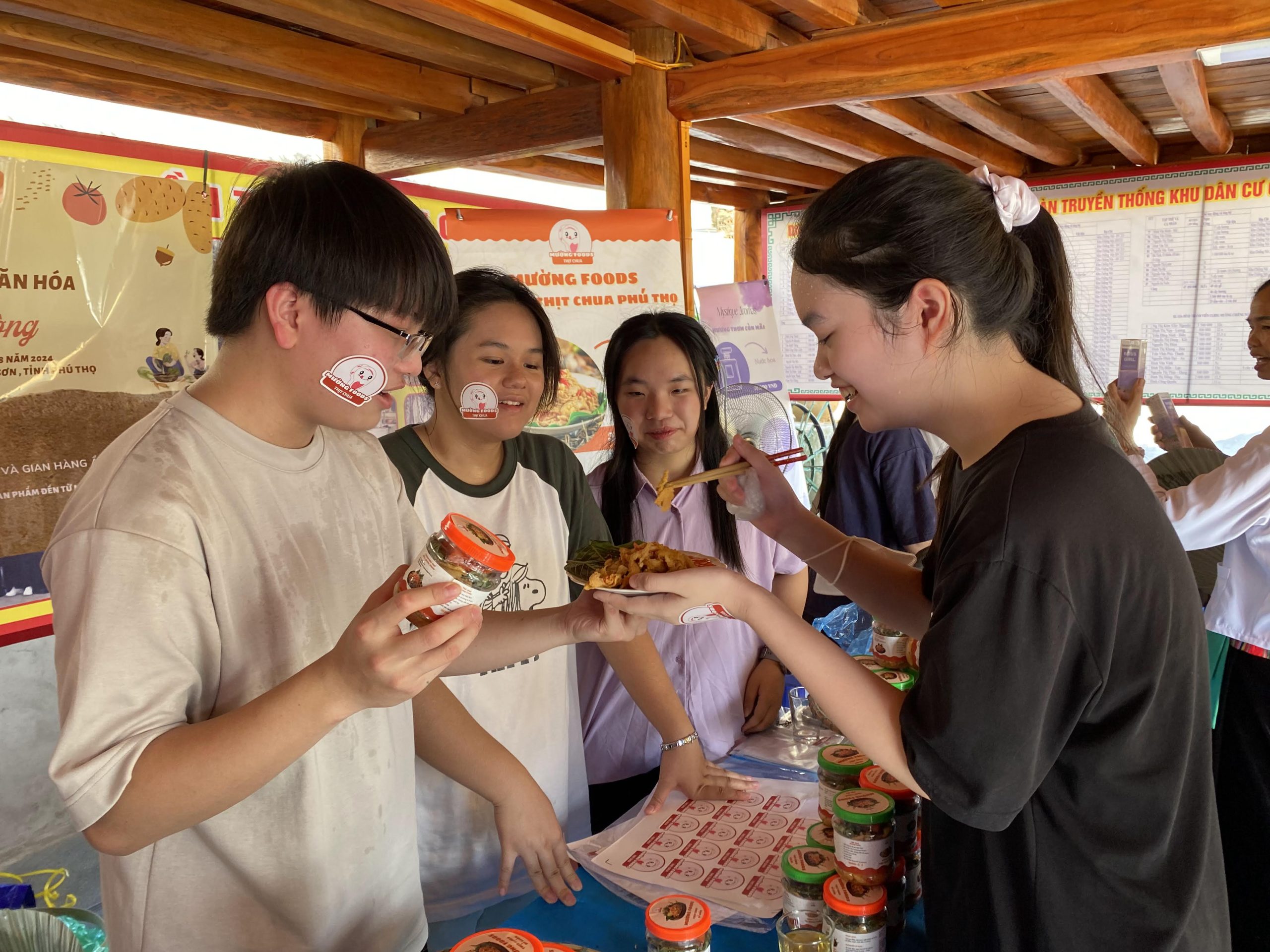
Starting a cultural business as a student wasn’t easy. There were moments when I doubted whether people would ever take our product seriously. But each setback, from slow sales to logistical failures, became a chance to refine my approach. I learned that resilience is less about “never failing” and more about absorbing failure until it ferments into insight.
Building Relationships
Partnerships were the backbone of Mường Food. Working directly with Mường households, market vendors, and even local schools helped me understand that every successful initiative depends on trust. By involving the community in decision making, from sourcing to storytelling, we created something far more sustainable than profit: shared pride.
Personal Values
The project redefined my view of leadership. I stopped equating it with control and started seeing it as stewardship, holding space for others’ voices and histories. My values of honesty, cultural respect, and community growth now guide not only my business mindset but also how I approach every collaborative project.
Group Development
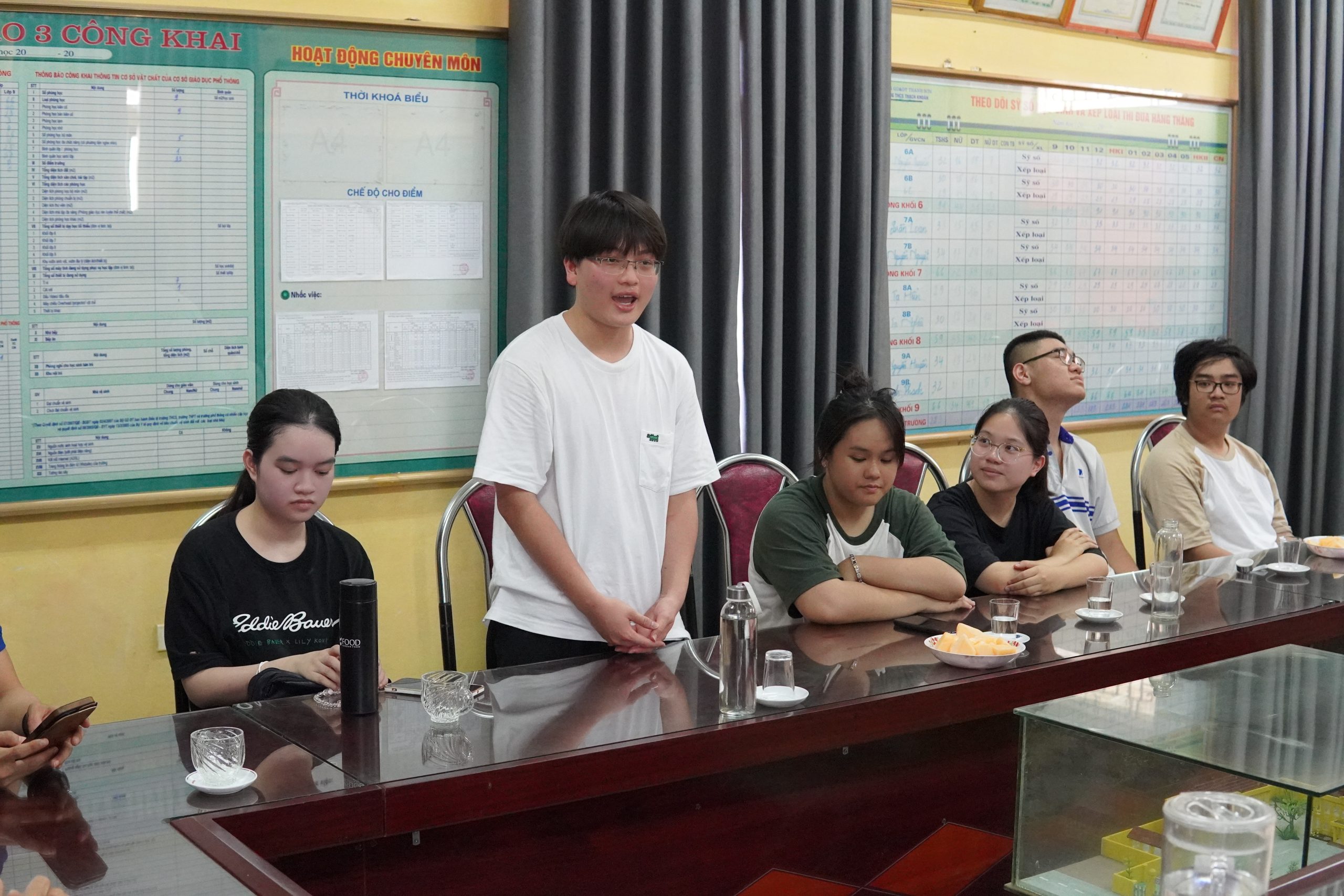
Leading a five member student team taught me the art of communication. Early on, I over managed; later, I learned to delegate and create systems of mutual accountability. Through trial and error, our group became more cohesive, creative, and purpose driven. The experience showed me that building a strong team is not about hierarchy, but harmony.
Goal
Beyond profit or visibility, my long term goal is to continue bridging cultural preservation and sustainable business. Through Mường Food, I saw how entrepreneurship can become a medium for safeguarding identity, ensuring that traditional flavors, stories, and craftsmanship are not lost but reimagined for the next generation.